
1. Introduction
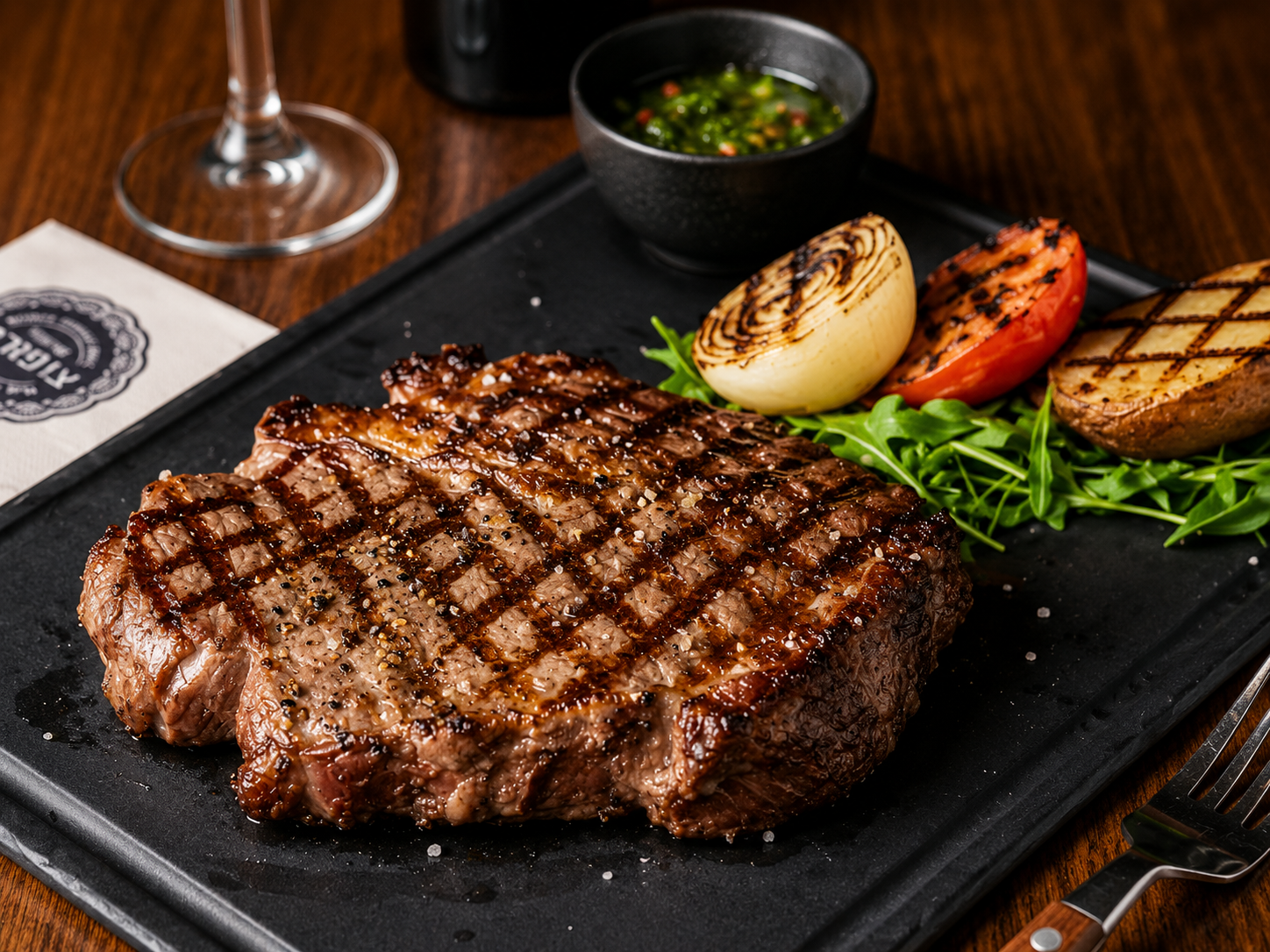
- This Classic Grilled Ribeye Steak is a juicy, tender, and flavorful steak with a beautifully charred crust and a rich, buttery center. Ribeye is naturally well-marbled, which gives it incredible flavor and tenderness when cooked over high heat.
- This easy grilled ribeye steak recipe is beginner-friendly and perfect for weekend dinners, backyard grilling, family gatherings, or a special restaurant-style meal at home. With simple seasoning, proper grilling, and a short resting period, you can create a perfectly delicious steak every time.
2. Recipe Information
| Details | Information |
|---|---|
| Recipe | Classic Grilled Ribeye Steak |
| Prep Time | 10 minutes |
| Resting Time | 30 minutes |
| Cook Time | 10–14 minutes |
| Total Time | About 50 minutes |
| Servings | 2 |
| Difficulty | Easy |
| Cuisine | American |
| Cooking Method | Grill |
3. Ingredients

For the Steak
| Ingredient | Amount |
|---|---|
| Ribeye steaks | 2, about 300–350 g each |
| Olive oil | 1 tbsp |
| Kosher salt | 1 tsp |
| Freshly ground black pepper | ½ tsp |
| Garlic powder | ½ tsp |
For the Garlic Herb Butter
| Ingredient | Amount |
|---|---|
| Unsalted butter | 2 tbsp |
| Garlic cloves | 2 |
| Fresh rosemary | 1 sprig |
| Fresh thyme | 1 sprig |
4. Equipment Needed
- Outdoor grill or grill pan
- Tongs
- Small bowl
- Meat thermometer
- Cutting board
- Chef’s knife
- Small spoon
- Aluminum foil
1. Prepare the Ribeye Steaks

- Remove the ribeye steaks from the refrigerator and place them on a clean plate. Let them sit at room temperature for approximately 20–30 minutes before grilling.
- Pat the steaks thoroughly dry with paper towels. Moisture on the surface can interfere with browning and prevent you from developing a beautiful crust.
- Lightly brush both sides with olive oil, then season generously with salt, black pepper, and garlic powder.
- Chef Tip: Drying the steak before seasoning is one of the easiest ways to improve the final sear.
2. Prepare the Grill

- Preheat your grill over high heat, aiming for approximately 230–260°C (450–500°F).
- Clean the grill grates and lightly oil them if necessary to help prevent sticking.
- For a thicker ribeye, create a two-zone grilling setup with one hot side and one cooler side. This allows you to sear the steak first and then finish it more gently if needed.
- 👨🍳 Restaurant Tip: A properly preheated grill is essential for creating the dark, flavorful crust associated with restaurant-quality steaks.
3. Sear the First Side

- Place the seasoned ribeye steaks directly over the hottest part of the grill.
- Cook without moving the steaks for approximately 3–4 minutes. This allows the surface to develop a deep brown crust and attractive grill marks.
- Avoid repeatedly lifting or moving the steaks because constant movement can interfere with proper browning.
- 👨🍳 Chef Tip: Listen for a steady sizzling sound when the steak hits the grill. That’s a good sign that the surface is hot enough for a strong sear.
4. Flip and Grill the Other Side

- Using tongs, carefully flip the ribeye steaks and cook the second side for another 3–4 minutes.
- If you want classic grill marks, rotate the steak approximately 45 degrees halfway through cooking on each side.
- For thicker steaks, move them to the cooler side of the grill after searing and continue cooking until they reach your preferred internal temperature.
- Restaurant Tip: Use tongs instead of a fork. Piercing the steak can allow flavorful juices to escape.
5. Add Garlic Herb Butter

- During the final minute of cooking, place the butter, crushed garlic, rosemary, and thyme in a small heat-safe dish or directly on the steak if appropriate for your setup
- Allow the butter to melt and spoon it over the hot steak.
- The melted butter combines with the beef’s natural juices and the aromatic herbs to create a rich, restaurant-style finish.
- Chef Tip: Add the garlic butter near the end rather than at the beginning so the garlic doesn’t burn over the high grill heat.
6. Check the Internal Temperature

- Use an instant-read meat thermometer to check the steak’s internal temperature in the thickest part.
- For a medium-rare result, many cooks remove the steak from the grill around 54–57°C (130–135°F), allowing it to rise slightly while resting. For food safety, use your local food-safety guidance when choosing a target temperature.
- If you prefer medium or medium-well steak, continue grilling until it reaches your desired temperature.
- Chef Tip: Temperature is more reliable than cooking time because steak thickness and grill heat can vary considerably.
7. Rest the Steak

- Transfer the grilled steaks to a clean cutting board and loosely cover them with aluminum foil.
- Allow the ribeye to rest for approximately 5–10 minutes before slicing.
- Resting gives the juices time to redistribute throughout the meat, helping the steak remain juicy when you cut into it.
- Restaurant Tip: Don’t skip the resting period. Cutting into the steak immediately can cause flavorful juices to run onto the cutting board instead of staying in the meat.
8. Slice and Serve

- Place the rested steak on a serving board and slice it against the grain into thick pieces if desired.
- Top with a little extra garlic herb butter and garnish with fresh rosemary or thyme.
- Serve immediately with your favorite steakhouse sides such as roasted potatoes, grilled vegetables, creamy mashed potatoes, or a fresh green salad.
- Final Chef Tip: Slice against the grain for a more tender bite, especially when serving thicker pieces of ribeye.
5. 👨🍳 Chef Tips
- Choose a well-marbled ribeye for maximum flavor.
- Pat the steaks completely dry before seasoning.
- Preheat the grill thoroughly.
- Use high heat for a beautiful crust.
- Don’t constantly move the steak.
- Use tongs instead of a fork.
- Use a meat thermometer for accuracy.
- Add garlic butter near the end.
- Rest the steak before slicing.
- Slice against the grain when serving.
6. ⚠️ Common Mistakes
Starting with a cold grill: A cold grill won’t create the proper sear.
Cooking a wet steak: Surface moisture can prevent good browning.
Overcrowding the grill: Give each steak enough space for proper heat circulation.
Pressing the steak: Pressing can force juices out of the meat.
Using a fork: Piercing the steak can cause juices to escape.
Burning the garlic butter: Garlic can burn quickly over high heat, so add it near the end.
Skipping the rest: Cutting immediately can cause juices to spill out.
Guessing the temperature: A meat thermometer gives a much more reliable result than timing alone.
7. 🌮 Delicious Variations
🧄 Garlic Butter Ribeye
Add extra roasted garlic to the herb butter for a richer flavor.
🌶️ Spicy Ribeye
Add crushed red pepper flakes or cayenne pepper to the seasoning.
🧀 Blue Cheese Ribeye
Finish the hot steak with crumbled blue cheese for a bold steakhouse-style variation.
🧅 Caramelized Onion Ribeye
Serve the grilled steak with sweet caramelized onions.
🍄 Mushroom Butter Ribeye
Top the steak with sautéed mushrooms and garlic herb butter.
🌿 Chimichurri Ribeye
Replace the herb butter with fresh parsley, garlic, olive oil, and lemon chimichurri.
8. 🍽️ Serving Suggestions
Serve Classic Grilled Ribeye Steak with:
- 🥔 Garlic mashed potatoes
- 🍟 Crispy fries
- 🌽 Grilled corn
- 🥦 Roasted vegetables
- 🥗 Fresh green salad
- 🍄 Sautéed mushrooms
- 🧅 Caramelized onions
- 🥖 Garlic bread
For a complete steakhouse-style dinner, pair it with creamy mashed potatoes, grilled vegetables, and garlic herb butter.
9. ❄️ Storage & Reheating
Allow leftover steak to cool before storing it in an airtight container.
Refrigerate for 3–4 days according to standard food-safety guidance.
For the best texture, gently reheat the steak in a skillet over low to medium-low heat. Avoid very high heat because it can quickly overcook the center.
You can also slice the leftover ribeye and use it in sandwiches, wraps, salads, or steak bowls.
Chef Tip: If you know you’ll have leftovers, slightly undercook the steak during the initial preparation so reheating doesn’t make it overly done.
10. 🥗 Nutrition Facts
Approximate per serving, based on 2 servings:
| Nutrient | Amount |
|---|---|
| Calories | 650–800 kcal |
| Protein | 45–55 g |
| Carbohydrates | 1–3 g |
| Fat | 50–65 g |
| Fiber | 0 g |
| Sodium | 600–900 mg |
Nutrition values are estimates and vary depending on steak size, marbling, butter, seasoning, and portion size.
11. ❓ Frequently Asked Questions
1. What is the best way to grill a ribeye steak?
Use a thoroughly preheated grill, season the steak simply, sear it over high heat, and use a thermometer to check the internal temperature.
2. How long should I grill a ribeye?
For a steak around 1 inch thick, approximately 3–4 minutes per side over high heat can be a useful starting point, but internal temperature is more reliable than time.
3. Should I marinate ribeye steak?
Ribeye is naturally flavorful and tender, so a simple salt, pepper, and garlic seasoning is usually enough. A marinade is optional.
4. What temperature is medium-rare ribeye?
A common target for medium-rare is approximately 54–57°C (130–135°F) when removed from the grill, with the temperature rising slightly during resting.
5. Should I put butter on ribeye steak?
Yes. Garlic herb butter added near the end of cooking can provide a rich, flavorful finish.
6. Why should I let the steak rest?
Resting allows the juices to redistribute through the meat, helping the steak stay juicier when sliced.
7. How do I get a restaurant-style crust?
Dry the steak thoroughly, season it well, and cook it on a very hot, clean grill without constantly moving it.
8. What sides go best with grilled ribeye?
Mashed potatoes, grilled vegetables, crispy fries, mushrooms, caramelized onions, and fresh salads all pair beautifully with ribeye.
Leave a Reply